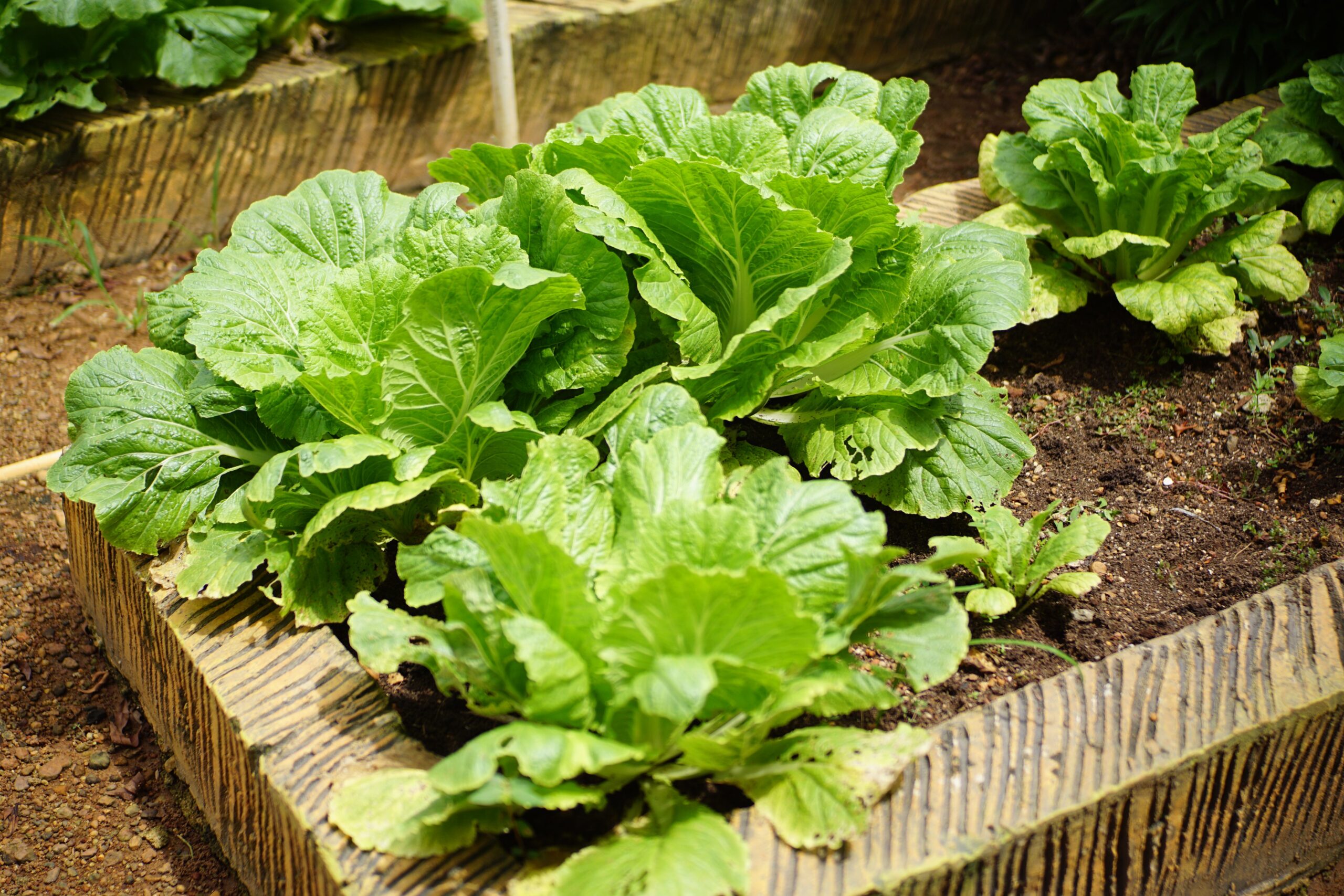
Introduction: Why Organic Gardening Matters More Than Ever
Organic gardening for self sufficiency is more than just a hobby, it’s a lifestyle shift toward independence, health, and resilience. In a world where food prices fluctuate and supply chains can be unpredictable, growing your own food gives you control over what you eat and how it is produced.
Whether you live on a small suburban lot or a rural homestead or are planning an off-grid lifestyle, organic gardening can help you reduce grocery bills, improve nutrition, and reconnect with nature.
This guide will walk you through everything you need to know about organic gardening for self-sufficiency—from soil preparation to planting, maintenance, harvesting, and long-term sustainability.
What Is Organic Gardening?
Organic gardening is a method of growing plants without synthetic fertilizers, pesticides, herbicides, or genetically modified organisms (GMOs). Instead, it relies on natural processes such as composting, crop rotation, companion planting, and biological pest control.
The goal is not just to grow food but to build a healthy ecosystem where soil, plants, insects, and microorganisms work together naturally.
Key Principles of Organic Gardening:
- Build and maintain healthy soil
- Avoid synthetic chemicals
- Use natural pest control methods
- Promote biodiversity
- Recycle nutrients through composting
Benefits of Organic Gardening for Self-Sufficiency
1. Food Independence
Growing your own vegetables, fruits, and herbs reduces dependence on grocery stores and supply chains.
2. Healthier Food
Organic produce is free from harmful chemicals and often richer in nutrients.
3. Cost Savings
Once established, a garden can significantly reduce your monthly food expenses.
4. Environmental Sustainability
Organic gardening improves soil health, reduces pollution, and supports pollinators like bees and butterflies.
5. Mental and Physical Wellbeing
Gardening reduces stress, improves mood, and provides light physical exercise.
Planning Your Self-Sufficient Organic Garden
Before planting anything, proper planning is essential. A well-designed garden ensures maximum yield with minimal effort.
Step 1: Choose the Right Location
Look for a space that gets:
- At least 6–8 hours of sunlight daily
- Good drainage
- Access to water
- Protection from strong winds
Step 2: Decide What to Grow
Start with crops that are:
- Easy to grow
- High yield
- Nutrient-dense
Best beginner crops:
- Tomatoes
- Spinach
- Kale
- Carrots
- Lettuce
- Onions
- Beans
- Herbs (basil, coriander, mint)
Step 3: Plan for Year-Round Production
To achieve self-sufficiency, aim for continuous harvests:
- Fast crops (lettuce, radishes)
- Medium crops (tomatoes, peppers)
- Long-term crops (fruit trees, potatoes)
Building Healthy Soil: The Foundation of Organic Gardening
Soil is the most important element of any successful garden. Without healthy soil, plants cannot thrive.
How to Improve Soil Naturally
1. Composting
Compost is decomposed organic matter that enriches soil with nutrients.
You can compost:
- Vegetable scraps
- Fruit peels
- Grass clippings
- Dry leaves
Avoid:
- Meat
- Dairy
- Oils
2. Mulching
Mulch protects soil from drying out, reduces weeds, and improves fertility.
Use:
- Straw
- Wood chips
- Dry grass
3. Worm Farming (Vermiculture)
Worms break down organic matter into nutrient-rich soil known as worm castings.
Natural Fertilizers for Organic Gardening
Instead of chemical fertilizers, use natural alternatives:
- Compost tea (nutrient-rich liquid fertilizer)
- Manure from chickens, goats, or cows
- Bone meal for phosphorus
- Wood ash for potassium
- Banana peels for potassium and magnesium
These natural fertilizers improve soil health over time instead of damaging it.
Companion Planting: Nature’s Pest Control System
Companion planting is the practice of growing certain plants together for mutual benefit.
Examples:
- Tomatoes + basil → improves flavor and repels pests
- Carrots + onions → onions repel carrot flies
- Corn + beans + squash → “Three Sisters” system
- Marigolds + vegetables → repel harmful insects
This reduces the need for pesticides and increases yield naturally.
Watering and Irrigation Techniques
Water management is critical in self-sufficient gardening.
Best Practices:
- Water early in the morning or late evening
- Water deeply but less frequently
- Avoid wetting leaves to prevent disease
Efficient Irrigation Systems:
- Drip irrigation (most efficient)
- Soaker hoses
- Rainwater harvesting systems
Collecting rainwater can drastically reduce water costs and improve sustainability.
Natural Pest and Disease Control
In organic gardening, pests are managed—not eliminated.
Natural Pest Control Methods:
1. Neem Oil
A natural pesticide that disrupts insect growth.
2. Garlic Spray
Repels aphids and other insects.
3. Companion Plants
As mentioned earlier, plants like marigolds help deter pests.
4. Hand Picking
For larger pests like caterpillars.
5. Encouraging Beneficial Insects
Ladybugs and bees are essential for a healthy garden ecosystem.
Crop Rotation for Long-Term Soil Health
Crop rotation means changing what you plant in each area every season.
Why it matters:
- Prevents soil depletion
- Reduces pest buildup
- Improves yield
Simple Rotation Example:
- Leafy greens (spinach, lettuce)
- Root crops (carrots, beets)
- Legumes (beans, peas)
- Fruiting plants (tomatoes, peppers)
Growing Food Year-Round for Self-Sufficiency
True self-sufficiency requires continuous food production.
Seasonal Gardening Strategy:
Spring:
- Lettuce
- Peas
- Radishes
Summer:
- Tomatoes
- Cucumbers
- Peppers
Fall:
- Kale
- Cabbage
- Carrots
Winter:
- Garlic
- Onions
- Indoor herbs
If climate allows, greenhouses or simple hoop houses extend growing seasons.
Saving Seeds for Future Planting
Seed saving is a key step toward independence.
Benefits:
- Reduces cost
- Preserves plant genetics
- Builds long-term sustainability
How to Save Seeds:
- Select healthy plants
- Allow seeds to fully mature
- Dry seeds properly
- Store in a cool, dry place
Integrating Livestock into Organic Gardening
For full self-sufficiency, many gardeners integrate animals.
Examples:
- Chickens → eggs + natural fertilizer
- Goats → milk + brush clearing
- Worms → compost production
Animal waste becomes a valuable resource for composting and soil enrichment.
Common Mistakes in Organic Gardening
Avoid these beginner errors:
- Overwatering plants
- Ignoring soil quality
- Planting too close together
- Not rotating crops
- Using poor-quality seeds
- Expecting instant results
Organic gardening is a long-term system, not a quick fix.
Building a Self-Sufficient Lifestyle Around Your Garden
A productive garden is only one part of self-sufficiency. Combine it with:
- Rainwater harvesting systems
- Solar energy
- Food preservation (drying, canning, fermenting)
- Small livestock farming
- Off-grid living strategies
Together, these systems create a resilient lifestyle that is less dependent on external systems.
Conclusion: Your Journey to Food Independence Starts Now
Organic gardening for self-sufficiency is one of the most powerful steps toward independence and sustainable living. It allows you to take control of your food, improve your health, and build a deeper connection with nature.
You don’t need a large farm to start. Even a small backyard, balcony, or container garden can begin your journey. What matters most is consistency and learning as you grow.
Start small. Plant something today. Build soil health. Learn from each season. Over time, your garden will transform from a simple hobby into a life-sustaining system.