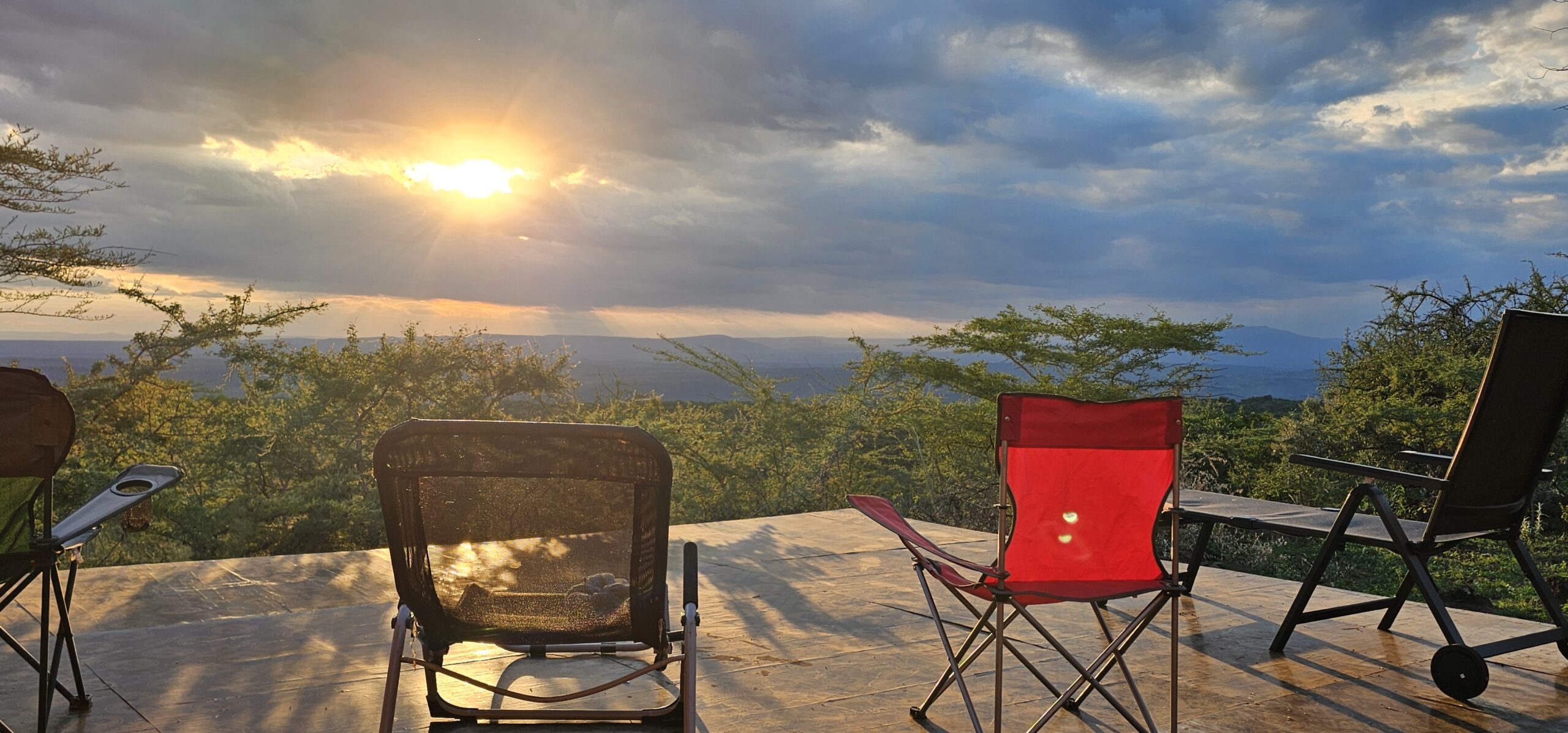
You’re not alone if you’ve ever thought about completely disconnecting from the city and civilisation without any utility bills or noisy neighbours. The off-grid living trend has spread throughout the world and so it’s important to look around before choosing a place. You may construct a self-sufficient home anywhere in the world, from the calm plains of East Africa to the highlands of Portugal, from rural New Zealand to the pine forests of Scandinavia. Political and social stability is one aspect of your search that should be given top priority.
Your off-grid project will go much more smoothly if you choose a nation or area free of conflict; building supplies will arrive on schedule, land titles will be respected, local labour markets will operate normally and you can truly enjoy the peace and quiet you signed up for rather than worrying about your safety. Before making a commitment, it’s worthwhile to investigate a few stable countries in Africa, Europe, Oceania, and Latin America, each of which offers a unique off-grid potential.
That search is precisely what brought me to Kajiado County in Kenya, a region renowned for its expansive savannah, Maasai ancestry and a degree of tranquillity and dependability that made it a simple location to establish roots. This article describes my experience building an off-grid cabin in Kajiado, including the mistakes I made, the systems that worked, and the lessons I would teach anyone thinking about living off-grid in this region of the world.
Why Kenya’s Kajiado?
Just south of Nairobi, Kajiado County stretches toward the Tanzanian border, encircling the fringes of Amboseli National Park and the Ngong Hills’ foothills. It has some of the most striking skies in East Africa, is semi-arid and has very few people outside of a few cities. Kajiado satisfies many requirements for anyone pursuing an off-grid lifestyle:
- Solar power is a truly dependable energy source rather than an add-on due to the nearly year-round abundance of sunlight.
- The farther you get from the Nairobi–Namanga highway, the more affordable the land is in comparison to Nairobi’s overheated real estate market.
- Maasai households have been effectively living off the grid for generations, making them a stable, friendly community with a long tradition of pastoralist self-sufficiency.
- Nairobi is close by, so even though you feel far from the city, you’re never more than a few hours away from a hardware shop, hospital, or airport.
Kajiado is a solid choice for East Africa if you’re considering off-grid travel places across continents, and this piece should give you a realistic idea of what it takes to construct here.
Locating and Purchasing Land in Kajiado
The first lesson I learnt was about land, not solar panels or water tanks. Navigating Kajiado’s land tenure system, which combines community property, group ranches and individual freehold parcels without local assistance, is one way to end up in trouble. Through my network of friends and family in Kenya, I was able to meet reliable locals to help with the sourcing of the land. Over the past year, we have nurtured relationships with landowners in our area and beyond.
Hire A Lawyer
Although there are many real estate brokers in Kajiado, not all land listings are as tidy as they appear. Before I paid a single shilling, I hired a local advocate (legal) to conduct a title search. This verified that the land had a clear chain of ownership, was not part of an unsettled group ranch subdivision, and was not under dispute. It was much less expensive to take this one action than it would have been to battle a land dispute later.
Understand the terrain before making a purchase.
Kajiado terrain varies greatly over short distances, from flat, dusty plains farther south toward Namanga to rocky, steep terrain close to the Ngong Hills. In particular, I searched for:
- A mild incline to allow water to naturally drain away from the cabin location
- Current tree cover providing shade and windbreaks
- elevation that is somewhat higher than the surrounding terrain to prevent floods during the wet season
- Distance from flash-flood-prone seasonal riverbeds.
Consideration for access roads
On a map, many plots in Kajiado appear lovely, yet they are located at the end of uneven, ungraded roads. I drove the access path in both dry and wet seasons before making the purchase. During the extended rains in April, a plot that is easy to access in July may become almost unreachable. This particular aspect alone can make or break your timeline if you intend to truck in solar equipment, water tanks, or building materials.
Designing an Off-Grid Cabin for Kajiado’s Climate
Kajiado sits at a fairly high elevation (much of it between 1,500 and 1,900 metres), which means daytime heat is often followed by genuinely cold nights, a detail that surprises a lot of newcomers who expect equatorial warmth around the clock. Good cabin design here has to account for:
1. Thermal mass and insulation
I used a hybrid build: a stone and mortar base for thermal mass, topped with timber framing and insulated walls. Stone absorbs heat during the day and releases it slowly at night, which reduced our need for supplementary heating dramatically. If you’re building with timber alone, budget for proper insulation, sheep’s wool, recycled cellulose, or even locally sourced coconut coir insulation can work well.
2. Roof design for rainwater harvesting
Water security is arguably the single biggest challenge of off-grid living in Kajiado, so the roof isn’t just shelter, it’s your primary water-catchment system. We designed a simple gable roof with a decent pitch (around 30 degrees) using corrugated iron sheets, which are affordable, durable, and ideal for channelling rainwater into gutters.
3. Orientation for solar gain and airflow
We oriented the cabin so the longer roof face pointed north (since Kajiado sits just south of the equator, this maximizes solar exposure for panels) while placing windows to catch the prevailing breeze for natural cross-ventilation. This cut down significantly on the need for any kind of mechanical cooling.
4. Verandas and shade
A wide veranda wrapping at least two sides of the cabin does double duty: it shades the walls from direct sun (reducing indoor heat gain) and creates a usable outdoor living space, which matters enormously when you’re living simply and want room to breathe.
Power: Building a Reliable Off-Grid Solar System
Kajiado’s sun is genuinely one of its best assets. With minimal cloud cover for much of the year, solar power is not just viable, it’s arguably more reliable here than grid electricity would be in many parts of rural Kenya.
Sizing the system correctly
My first mistake was underestimating our power needs. I initially installed a modest 1kW solar setup, assuming a simple off-grid cabin wouldn’t need much. Within weeks it was clear that running a refrigerator, water pump, lighting, laptop charging, and the occasional power tool required more capacity. I eventually upgraded to:
- 3.2kW of solar panels
- A 5kWh lithium battery bank (upgraded from an initial lead-acid setup that degraded quickly in the heat)
- A pure sine wave inverter rated for surge loads from the water pump
Lesson learned: Always size your solar system for your peak realistic load, not your minimum. Adding capacity later is more expensive and disruptive than installing slightly more than you think you need from day one.
Battery choice matters more than people expect
Lead-acid batteries are cheaper upfront and widely available in Kenya, but they degrade faster in fluctuating temperatures and require more maintenance. Switching to lithium iron phosphate (LiFePO4) batteries cost more initially but has paid off in longevity and reduced maintenance, a worthwhile consideration for anyone building for the long haul rather than a short-term experiment.
Protect your inverter and batteries from dust
Kajiado’s dry season brings fine, persistent dust that gets into everything. Housing the inverter and batteries in a sealed, ventilated cabinet rather than an open shelf saved us from several early equipment issues.
Water: Solving Kajiado’s Biggest Off-Grid Challenge
If solar power was the easiest system to get right, water was the hardest. Kajiado’s semi-arid climate means water security requires layered redundancy — you cannot rely on a single source.
Rainwater harvesting as the primary source
Our roof-based catchment system feeds into a set of interconnected 10,000-liter tanks. During the long rains (roughly March to May) and short rains (October to December), this system alone can carry a household through several dry months if managed carefully.
A borehole as backup
Given the unpredictability of rainfall, we eventually invested in a shallow borehole with a solar-powered pump. This was a significant upfront cost, but it transformed our water security from “hopeful” to “dependable.” Not every plot in Kajiado has accessible groundwater at a shallow, affordable depth, so this is worth investigating (via a hydrogeological survey) before you buy land if borehole water is part of your plan.
Greywater recycling
We installed a simple greywater system that redirects sink and shower water through a gravel-and-reed filtration bed into a small kitchen garden. It’s not glamorous, but it stretches every liter of water further, which matters enormously during dry spells.
Water storage placement
Elevated water tanks (on a simple steel stand) let gravity do the work of pressurizing water to the kitchen and shower, removing the need for an electric pump for basic daily use — a small design choice that saved on both cost and energy consumption.
Building Materials: Local Sourcing vs. Imported Convenience
One of the most valuable lessons from this project was learning to lean into locally available materials rather than importing everything from Nairobi.
- Stone: Kajiado has abundant local stone, which we used for the foundation and lower walls. It’s affordable, thermally efficient, and reduces transport costs dramatically compared to bringing in bricks from further away.
- Timber: Sourced from licensed local suppliers (always confirm sustainable sourcing and proper documentation) for framing, doors, and furniture.
- Corrugated iron sheets: Widely available, affordable, and ideal for both roofing and rainwater catchment.
- Sand and ballast: Locally quarried, which kept construction costs manageable.
What we did import from Nairobi: solar equipment, plumbing fixtures, water tanks, and specialty tools. Balancing local sourcing for structural materials with strategic imports for technical systems kept the budget realistic without compromising on quality.
Working with Local Labor and Contractors
Construction culture in Kajiado, like much of rural Kenya, runs on relationships and referrals more than formal contracts. Some hard-earned lessons:
- Get everything in writing anyway. Even in a relationship-based culture, a simple written agreement covering scope, timeline, and payment terms protects everyone and prevents misunderstandings.
- Pay in stages tied to milestones, not all upfront and not all at the end. This kept motivation high and gave us leverage if issues arose.
- Hire a local site supervisor if you won’t be present daily. Ours caught several issues early — including a foundation trench that needed to be dug deeper due to the soil composition on our specific plot.
- Respect local building knowledge. Our contractor’s suggestions on foundation depth and drainage, based on decades of building in the area, consistently outperformed my own assumptions from research done online.
Budgeting Realistically for an Off-Grid Build in Kajiado
Costs vary enormously depending on cabin size, finish level, and how much you do yourself, but here’s a rough breakdown of where our budget went (as a percentage of total spend, excluding land):
- Structure (foundation, walls, roof): ~40%
- Solar power system: ~20%
- Water systems (tanks, borehole, plumbing): ~20%
- Interior finishing and furniture: ~12%
- Contingency and unexpected costs: ~8%
That contingency line is non-negotiable. Between a delayed rainy season pushing back our roofing timeline, a borehole that needed to be drilled deeper than initially quoted, and a supplier substitution when our first choice of water tanks was out of stock, unplanned costs are simply part of building off-grid in a rural setting anywhere in the world.
Permits, Regulations, and Legal Considerations
Kenya requires approvals for construction even in rural counties like Kajiado, and skipping this step is a risk not worth taking.
- County government approval: Kajiado County requires building plans to be approved before construction begins, even for a modest cabin.
- NEMA considerations: Depending on the scale of your project (especially borehole drilling or significant land clearing), you may need environmental clearance from the National Environment Management Authority.
- Water permits: Any borehole requires authorization from the Water Resources Authority.
- Land use classification: Confirm your parcel’s zoning allows residential construction, particularly if it was previously part of a group ranch or agricultural land.
Working through an experienced local advocate or architect familiar with Kajiado’s specific county requirements saved us significant time and prevented costly rework.
Living the Off-Grid Lifestyle in Kajiado: What Surprised Me
Beyond the technical lessons, a few things about actually living off-grid in Kajiado stood out:
- The nights are genuinely quiet — no traffic, no city hum, just wind, insects, and occasionally distant livestock.
- Community matters more than self-sufficiency purism. The most resilient off-grid households in Kajiado aren’t the ones that isolate completely; they’re the ones with good relationships with neighbors for shared knowledge, emergency help, and even occasional bartering of supplies.
- Dust management is a daily task, not a one-time design consideration. Screens, door seals, and regular cleaning routines become part of life.
- Wildlife coexistence is real. Depending on your specific location, you may be sharing the landscape with everything from dik-diks to the occasional elephant corridor near Amboseli. Fencing and awareness matter.
- The pace of life resets your expectations. Deliveries take longer, repairs take longer, and rushing rarely helps. Building patience into your mindset is as important as building the cabin itself.
Key Lessons Learned: A Quick Recap
If you’re seriously considering building an off-grid cabin in Kajiado, here’s the condensed version of everything above:
- Verify land titles thoroughly before purchase — hire a local advocate, not just an agent.
- Study the terrain and access roads in both dry and wet seasons before committing to a plot.
- Design for Kajiado’s climate: thermal mass for cold nights, shade for hot days, and a roof built for rainwater harvesting.
- Oversize your solar system slightly rather than undersizing it, and invest in lithium batteries if your budget allows.
- Treat water as your top priority, with layered redundancy across rainwater harvesting, a borehole, and greywater recycling.
- Source structural materials locally and import only what genuinely needs it.
- Formalize agreements with local labor even in a relationship-driven building culture.
- Budget a real contingency — at least 8-10% of total cost.
- Handle permits and approvals early, especially for boreholes and any environmental clearance.
- Embrace community, patience, and a slower pace as part of the off-grid lifestyle, not an inconvenience to it.
Final Thoughts
Building an off-grid cabin in Kajiado was, in equal measure, one of the most challenging and most rewarding projects I’ve taken on. The county’s stability, strong sunlight, welcoming community, and manageable proximity to Nairobi make it one of the more practical entry points into off-grid living in East Africa — provided you go in with realistic expectations about water systems, seasonal access challenges, and the value of local knowledge.
Wherever in the world you’re considering going off-grid — a quiet valley in Kajiado, a forest plot in a stable corner of Europe, or a remote parcel in rural Oceania — the fundamentals hold true everywhere: choose a peaceful, stable place to build, respect the local climate and terrain, invest in redundancy for power and water, and lean on the people who already know the land. Do that, and an off-grid cabin stops being a fantasy and starts being a genuinely livable home.