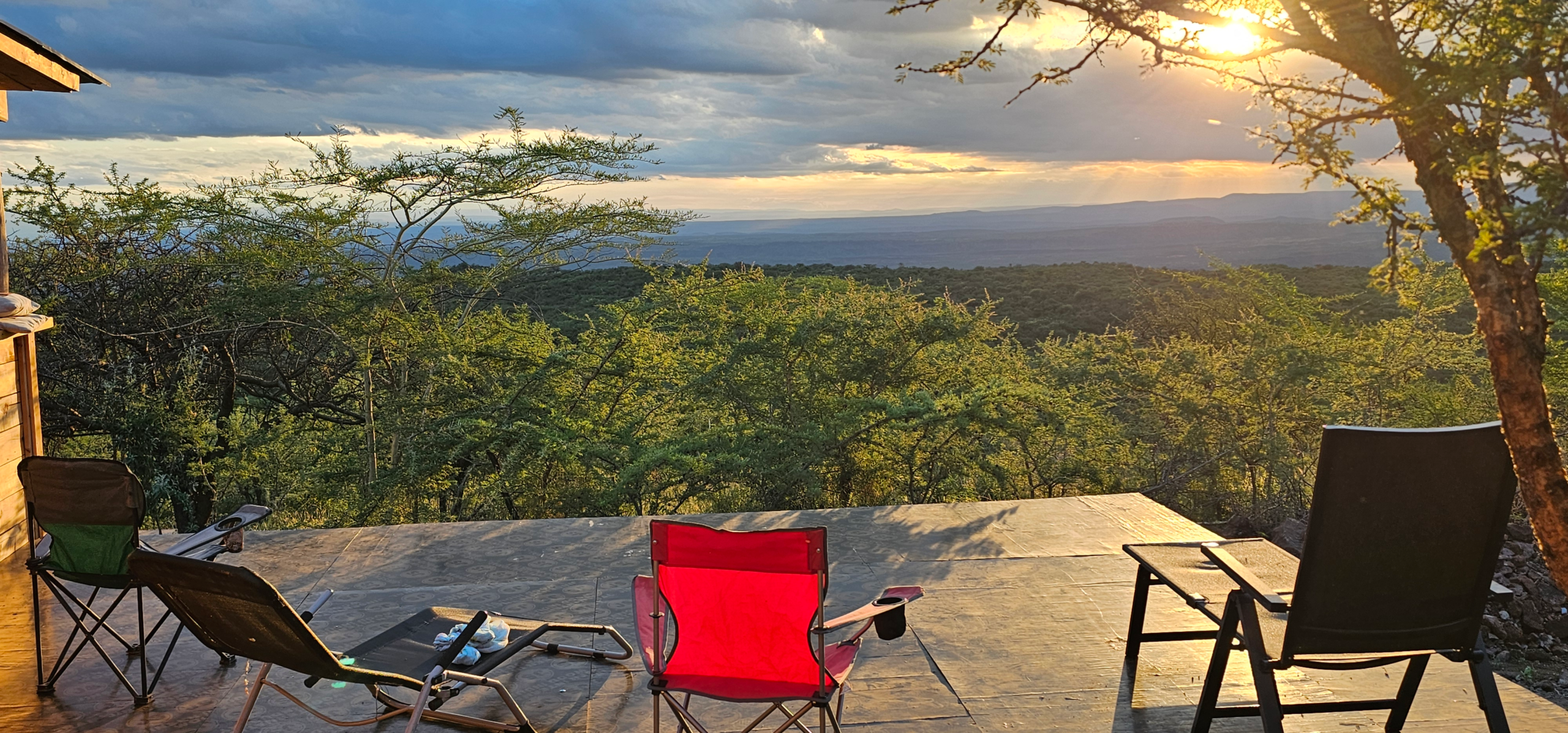
In today’s fast-paced world, many people are searching for ways to slow down, reconnect with nature, and enjoy a more meaningful life. The constant buzz of notifications, traffic, deadlines, and endless responsibilities can leave us feeling mentally exhausted. Fortunately, the solution isn’t always found in expensive vacations or luxury retreats. Sometimes, the greatest source of peace is simply stepping outside.
A peaceful lifestyle isn’t about doing less, it’s about living intentionally. Spending time outdoors allows you to breathe fresh air, move your body naturally and reconnect with what truly matters. Whether you live in the countryside or visit nature on weekends, outdoor activities can dramatically improve your physical health, emotional well-being, and overall happiness.
If you’re dreaming of slow living, an off-grid lifestyle or simply finding more balance in life, these outdoor activities can help you embrace a calmer and more fulfilling lifestyle.
Why Outdoor Activities Improve Mental Well-Being
Nature has a unique way of calming the human mind. Studies have consistently shown that spending time outside reduces stress hormones, lowers blood pressure, improves mood, and increases creativity.
Unlike indoor entertainment that often revolves around screens, outdoor experiences engage all your senses. You hear birds singing, feel the wind against your skin, smell fresh earth after rain, and watch breathtaking sunsets.
These simple experiences remind us that happiness often comes from the simplest moments.
Benefits include:
- Reduced anxiety and stress
- Better sleep quality
- Improved concentration
- Increased physical fitness
- Greater appreciation for simple living
- Stronger family relationships
- More mindful daily routines
1. Hiking Through Nature
Hiking remains one of the best ways to disconnect from modern life.
Whether you’re exploring mountain trails, forests, or nature reserves, hiking encourages mindfulness. Every step slows your pace and shifts your attention from worries to the beauty surrounding you.
You don’t need to conquer difficult mountains. Even short walks through local trails provide incredible mental benefits.
Benefits
- Strengthens muscles
- Improves cardiovascular health
- Reduces stress
- Builds confidence
- Connects you with wildlife
2. Gardening
Growing your own vegetables or flowers teaches patience, responsibility, and gratitude.
Watching seeds become healthy plants reminds us that everything worthwhile takes time.
Gardening is also excellent exercise and provides fresh organic food for your family.
Popular vegetables include:
- Tomatoes
- Kale
- Lettuce
- Carrots
- Spinach
- Herbs
Harvesting food you’ve grown yourself creates a sense of accomplishment that’s difficult to match.
3. Nature Walks
Unlike hiking, nature walks have no destination.
You simply walk slowly and observe your surroundings.
Look closely at butterflies, insects, trees, flowers, clouds, and birds.
Leave your phone in your pocket and simply enjoy the moment.
Nature walks are especially effective for reducing anxiety.
4. Bird Watching
Bird watching teaches patience.
Instead of rushing, you learn to slow down and quietly observe.
Every season brings different bird species, making every walk unique.
You don’t need expensive equipment.
A simple pair of binoculars and curiosity are enough.
5. Camping Under the Stars
Camping removes many of life’s distractions.
Without television, social media, or constant notifications, you begin appreciating life’s basics.
Cooking over a fire, listening to insects at night, and watching stars create memories that last forever.
Camping encourages:
- Digital detox
- Family bonding
- Outdoor cooking
- Better sleep
- Self-reliance
6. Fishing
Fishing teaches patience better than almost any hobby.
Hours can pass quietly while sitting beside a river or lake.
Whether or not you catch fish, the peaceful environment itself is therapeutic.
Many people describe fishing as a form of meditation.
7. Cycling Through the Countryside
Cycling combines exercise with exploration.
Quiet country roads, forest paths, and village trails provide beautiful scenery while improving cardiovascular health.
Cycling is also environmentally friendly and affordable.
8. Watching Sunrise and Sunset
One of the simplest outdoor activities costs absolutely nothing.
Watching the sun rise reminds us that every day offers a fresh beginning.
Watching it set encourages gratitude for the day that’s ending.
These daily events naturally slow our thoughts.
Bring coffee, a blanket, and simply sit in silence.
9. Outdoor Yoga
Practicing yoga outside combines mindfulness with nature.
The fresh air enhances breathing while birds and natural sounds create a peaceful atmosphere.
Even beginners benefit from practicing gentle stretches outdoors.
10. Reading Outside
Instead of reading indoors, bring your favorite book outside.
Sit beneath a tree.
Relax on your porch.
Enjoy a hammock.
Reading outdoors helps you focus while reducing screen time.
11. Photography
Nature photography encourages observation.
Instead of rushing through beautiful landscapes, you begin noticing:
- Light
- Textures
- Wildlife
- Reflections
- Weather
- Colors
Photography transforms ordinary walks into adventures.
12. Outdoor Cooking
Preparing meals outdoors creates memorable experiences.
Cook over charcoal, a fire pit, or a camp stove.
Fresh ingredients taste even better surrounded by nature.
Popular outdoor meals include:
- Grilled vegetables
- Steak
- Fresh fish
- Campfire potatoes
- Pancakes
- Coffee brewed over a fire
Cooking outside slows the meal preparation process and encourages meaningful conversations.
13. Farm Activities
Life on a farm naturally promotes a slower rhythm.
Activities might include:
- Feeding animals
- Collecting eggs
- Harvesting vegetables
- Milking goats
- Watering gardens
- Composting
Children especially benefit from learning where food comes from.
Farm life teaches responsibility and respect for nature.
14. Wildlife Watching
Observing wildlife reminds us that nature operates without our schedules.
Watching deer graze, monkeys play, elephants roam, or birds build nests creates appreciation for the natural world.
Always observe animals respectfully from a safe distance.
15. Simply Doing Nothing
Perhaps the most overlooked outdoor activity is simply sitting quietly.
No phone.
No agenda.
No entertainment.
Just you and nature.
Sit beneath a tree.
Listen to the wind.
Watch clouds drift overhead.
These peaceful moments often become the most meaningful.
Creating Your Own Peaceful Outdoor Routine
You don’t have to spend every day outdoors.
Start small.
Try spending:
- 20 minutes every morning outside
- One weekend hike each month
- A family picnic every few weeks
- Evening walks after dinner
- Gardening on weekends
Consistency matters more than duration.
Small habits eventually create lasting lifestyle changes.
Tips for Embracing Slow Living Outdoors
To make outdoor activities part of your daily life:
- Reduce screen time
- Visit local parks regularly
- Grow a small garden
- Leave your phone behind occasionally
- Watch more sunsets
- Take family walks
- Learn basic camping skills
- Explore nearby trails
- Keep a journal about your outdoor experiences
The goal isn’t adventure for adventure’s sake.
The goal is peace.
A peaceful lifestyle doesn’t require moving to a remote mountain or living completely off-grid. It begins with making intentional choices that reconnect you with nature and the present moment. Whether you’re tending a small garden, hiking through the woods, cycling quiet country roads, or simply watching the sunset, every moment spent outdoors is an investment in your well being.
The beauty of these activities is their simplicity. They don’t demand expensive equipment or complicated plans, only your willingness to slow down and appreciate the world around you. Over time, these small habits can reduce stress, strengthen relationships, improve your health, and help you find joy in everyday moments.
If you’ve been longing for a slower, more peaceful life, start by stepping outside. Nature has a remarkable way of reminding us that the best things in life are often the simplest.
Frequently Asked Questions (FAQ)
What are the best outdoor activities for reducing stress?
Nature walks, hiking, gardening, birdwatching, fishing, outdoor yoga, and watching sunsets are among the most effective outdoor activities for lowering stress and promoting relaxation.
How often should I spend time outdoors?
Aim for at least 20–30 minutes outdoors each day. Even short periods in nature can improve mood, reduce anxiety, and boost overall well-being.
Can outdoor activities improve mental health?
Yes. Spending time in nature has been shown to reduce stress, improve focus, elevate mood, and support better sleep, making it an excellent habit for mental wellness.
Do I need expensive gear to enjoy outdoor activities?
Not at all. Many peaceful outdoor activities such as walking, reading outside, gardening, or watching the sunrise, require little or no equipment.
How do outdoor activities support a simple lifestyle?
They encourage mindfulness, reduce reliance on screens and consumerism, promote physical activity, and help you appreciate the natural world, all of which are key principles of slow and simple living.